Central Vacuum Installation in Fort Lauderdale, FL: What Homeowners Should Expect From Start to Finish
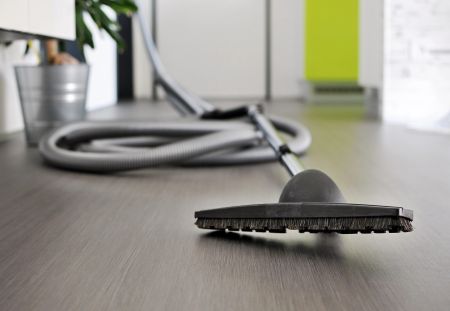
If you’re considering central vacuum installation in Fort Lauderdale, you want a clear picture of how the process works, how long it takes, and how to prepare your home. At Built-In Central Vacuums, our South Florida central vacuum specialists make the experience simple from the first conversation to the final walkthrough. For a deeper look at the steps, you can review our central vacuum installation service to see how we design, route, and test every system for reliable suction and quiet performance.
Central vac systems shine in neighborhoods like Victoria Park, Coral Ridge, and Rio Vista where busy households, pets, and sand from the beach can make frequent cleaning a must. Whether your home is a classic 1960s ranch, a modern Las Olas Isles build, or a townhome with limited attic space, a well-planned install keeps dust outside the living space and reduces noise inside.
Why Homeowners Choose a Central Vacuum in Fort Lauderdale
Central vacuums capture fine dust and allergens at the source and exhaust them away from living areas. That matters in our humid coastal climate where windows are often open and floors collect grit from patios and pool decks. You’ll also notice less noise, easier cleaning on stairs, and lightweight hose handling compared with pushing a heavy upright.
Many families in Poinsettia Heights and Harbor Beach appreciate that central vacs are future-proof. You can add valves, electric power brush kits, and accessories for garages and boats later without reworking the whole system.
The Install Process: From First Call to Final Test
Step 1: Quick Call and On‑Site Review
We begin with a short discovery call to learn about floor count, flooring types, and where you prefer to store the hose. Then we visit the home to check access points: attic paths, soffits, closets, and potential chase routes. We also look at common South Florida materials like concrete block walls and stucco finishes to plan clean, minimal cuts. Ask for a written layout and scope so you know exactly what’s included.
Step 2: System Design and Material Staging
Next, we create a simple floor plan that shows valve locations, pipe runs, and the power unit placement, usually in a garage, utility room, or exterior mechanical closet. We stage pipe, low‑voltage wire, inlets, and fittings to match your layout so install day runs smoothly. Our goal is full‑home coverage with the fewest valves and smoothest turns for strong airflow.
Step 3: Homeowner Prep and Scheduling
We schedule your installation for a day that works around school, work, and parking on your street. In Fort Lauderdale, morning starts help beat afternoon storms, especially during summer. We confirm access for ladders in the garage and discuss any attic or closet storage that should be moved ahead of time.
Step 4: Installation Day
Our crew places floor and corner protection, confirms the plan with you, and gets to work. In most single‑story ranch homes, the install is often completed the same day. Multi‑story homes or properties with tight attic access can take longer so we set expectations ahead of time and keep you posted throughout.
- Measure and mark inlet locations with you before any openings are made.
- Route central vacuum piping with long, smooth sweeps to preserve airflow.
- Run low‑voltage control wire alongside pipe for hose activation at each inlet.
- Mount and secure the power unit on a solid surface with adequate ventilation.
- Seal all joints and test for leaks as sections are completed.
We always scan walls and avoid hidden lines before any cut. Clean cuts and careful patching keep walls looking sharp when we are done.
Step 5: System Testing and Walkthrough
We pressure test pipe runs, confirm suction at every inlet, and verify the canister and filtration are seated correctly. Then we do a homeowner walkthrough: hose handling, tool storage, filter care, and where to check for a full canister. We leave you with simple maintenance notes and recommended intervals based on how often you vacuum, pets, and flooring.
Local insight: Our humid, coastal air means fine dust can cling to surfaces. Keeping the central vacuum’s exhaust path clear and the canister sealed helps preserve suction and indoor air quality.
If your garage gets afternoon heat, consider a shaded wall for the power unit to help it run cooler and quieter.
Typical Timeline and What Affects It
Most central vacuum installations in Fort Lauderdale move quickly once design is set. Smaller one‑story homes can be finished in a day, while larger or multi‑level properties may take a bit longer. Timeline depends on attic access, roof type, closet chase options, and whether walls are block or framed.
Homes with flat roofs or limited attic space sometimes need creative routing through closets, soffits, or under-stair chases. That planning happens before install day so there are no surprises. If you are comparing options, our central vacuum installation page explains how we adapt for different home styles without overcutting walls.
How We Route Piping in South Florida Homes
Many Fort Lauderdale homes use concrete block exterior walls with drywall on furring strips. Interior walls vary. We typically run vertical drops through interior walls and use attic or soffit space for horizontal travel. Where attics are tight or insulated, we may use closets to create a clean chase between floors.
Garages and carports are popular locations for the power unit. They provide ventilation and easy access for emptying the canister. We select a mounting spot that keeps noise low in living areas and plan an exhaust path that doesn’t blow toward patio seating or pool decks.
Homeowner Prep Checklist
A little preparation keeps installation smooth and tidy. Here’s a simple checklist you can do the day before:
- Clear 3–4 feet around planned inlet spots, garage walls, and attic access hatches.
- Move fragile items from hallways and stairs; lay aside wall art near proposed routes.
- Plan parking for work vehicles and ensure driveway access for unloading materials.
- Secure pets in a quiet room. Curious pets can slip through open doors on install day.
- Confirm gate codes or concierge procedures if you live in a townhome or managed building.
If this is your first time with a built‑in vacuum, you can read more about central vacuum installation in fort lauderdale right from our home base to see how Built-In Central Vacuums approaches design and routing with everyday living in mind.
What You Can Expect Room by Room
Living Rooms and Great Rooms: We place inlets to cover open areas with one hose length and keep them away from tight furniture clusters. For media walls and built‑ins, we avoid visible surface runs and plan inside the wall wherever possible.
Kitchens and Dining Areas: Many Fort Lauderdale homeowners add a toe‑kick sweep inlet near the pantry or island. It lets you sweep crumbs straight in without bending. Inlet placement is planned so hoses do not cross main cooking paths during cleanup.
Bedrooms and Stairs: We plan for safe hose handling on stairs and along railings. Upstairs hall inlets often cover two to three bedrooms at once while keeping hoses clear of door swings.
Garages and Outdoor Living: Sand, boat gear, and car interiors are easier to clean with a garage valve. We choose a spot that avoids wind‑driven exhaust dust toward patios and pool furniture.
Noise, Filtration, and Air Quality
The power unit sits away from living spaces, so noise at the hose is much lower than traditional vacuums. Filtration varies by model, but all systems aim to capture fine dust and reduce what returns to indoor air. That helps during spring pollen and after summer storms when doors are opening and closing more often.
Confirm warranty terms in writing so you know how filters, motors, and labor are supported. We walk through basic care during your final demo and provide a simple reminder schedule.
Aftercare and Service You Can Count On
Once installed, central vac systems need routine canister emptying and filter checks. If you notice reduced suction, a stuck inlet door, or a hose switch that won’t trigger the unit, our team can help. You can start with our general repairs and service page to see common fixes and when a technician visit makes sense.
Seasonal living is common here, and some residents travel in summer. If your home sits closed for months, a quick test run when you return helps keep the system fresh. We can also suggest storage solutions for hoses and tools so they stay ready for the next clean.
How We Keep Your Home Clean During the Install
Our crews use floor protection, dust control, and careful cutting so your home stays tidy. We vacuum as we go and finish with a full sweep of all work areas. Paint‑ready patching is completed where needed so you can return to normal life right away.
Keep kids and pets clear of work areas until we’ve finished testing each inlet and removed tools. We’ll let you know when hallways and stairs are fully open again.
Your Next Step in Fort Lauderdale
Ready to enjoy quieter cleaning and better air? When you want a simple plan and a pro finish, Built-In Central Vacuums is here to help. Review the details on our central vacuum installation page, then call us at 954-921-5339 to schedule a visit. If you prefer to start online, learn more about central vacuum installation in fort lauderdale and see how we tailor systems for single‑story ranch homes, multi‑level townhomes, and coastal builds across Broward County.
From the first walkthrough to the final test, our South Florida central vacuum team designs every route for strong suction, clean finishes, and long‑term reliability. We look forward to serving you.